
Leg Openings 101: How Shape, Binding & Elastic Impact Comfort
Because your thighs deserve better.

Today we’re talking about leg openings—that under-appreciated part of your underwear that can make or break your comfort. They don’t get the same acknowledgement as a good waistband or the gusset, but when something’s off? You know. Chafing, riding up, cutting in… it’s a veritable smorgasbord of discomfort. So today, we’re taking a closer look at how shape, binding and elastic work together to either hug your legs like a dream or make you regret your life choices.
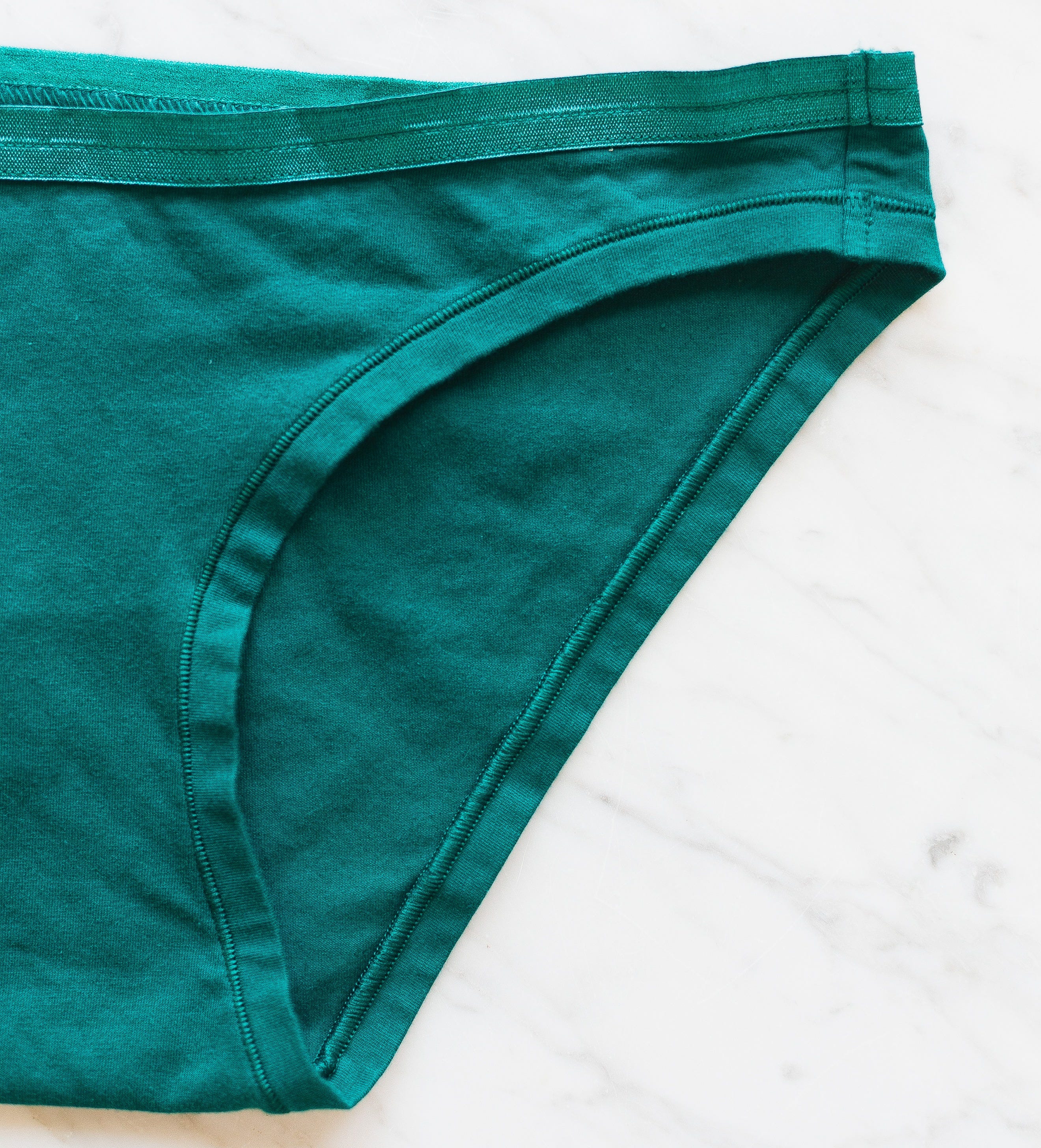
Leg Opening Shape
The shape of the leg opening has a lot to do with comfort… and not just in the “does my butt look good in these” kind of way.
High-cut or French-cut styles have a higher leg opening that elongates the leg line and can feel less restrictive around the thighs. Great for movement and airflow, not so great if you prefer more coverage.
Boyshorts and hipsters tend to sit lower and have more horizontal openings, making them comfy for lounging. But, on the other hand, they can bunch or roll if the fabric doesn’t have enough stretch.
Bikinis usually strike a happy medium: a curved leg line that moves with you while also providing coverage.
TDLR: the more angled the opening, the more freedom your thighs get. The straighter or lower it sits, the more likely it is to shift or pinch if the cut isn’t perfect for your body shape.
Binding and Seams
Binding is that strip of fabric that finishes the edge of the leg opening. It can be soft and stretchy, or it can be bulky and uncomfortable.
Fold-over binding: comfy, flexible and usually your best bet for a smooth edge.
Serged seams: super common and fine in moderation, but can rub if the thread is rough or if there’s too much tension in the stitch.
No binding at all (laser-cut edges): these feel magical at first, but they can stretch out faster and lose shape over time.
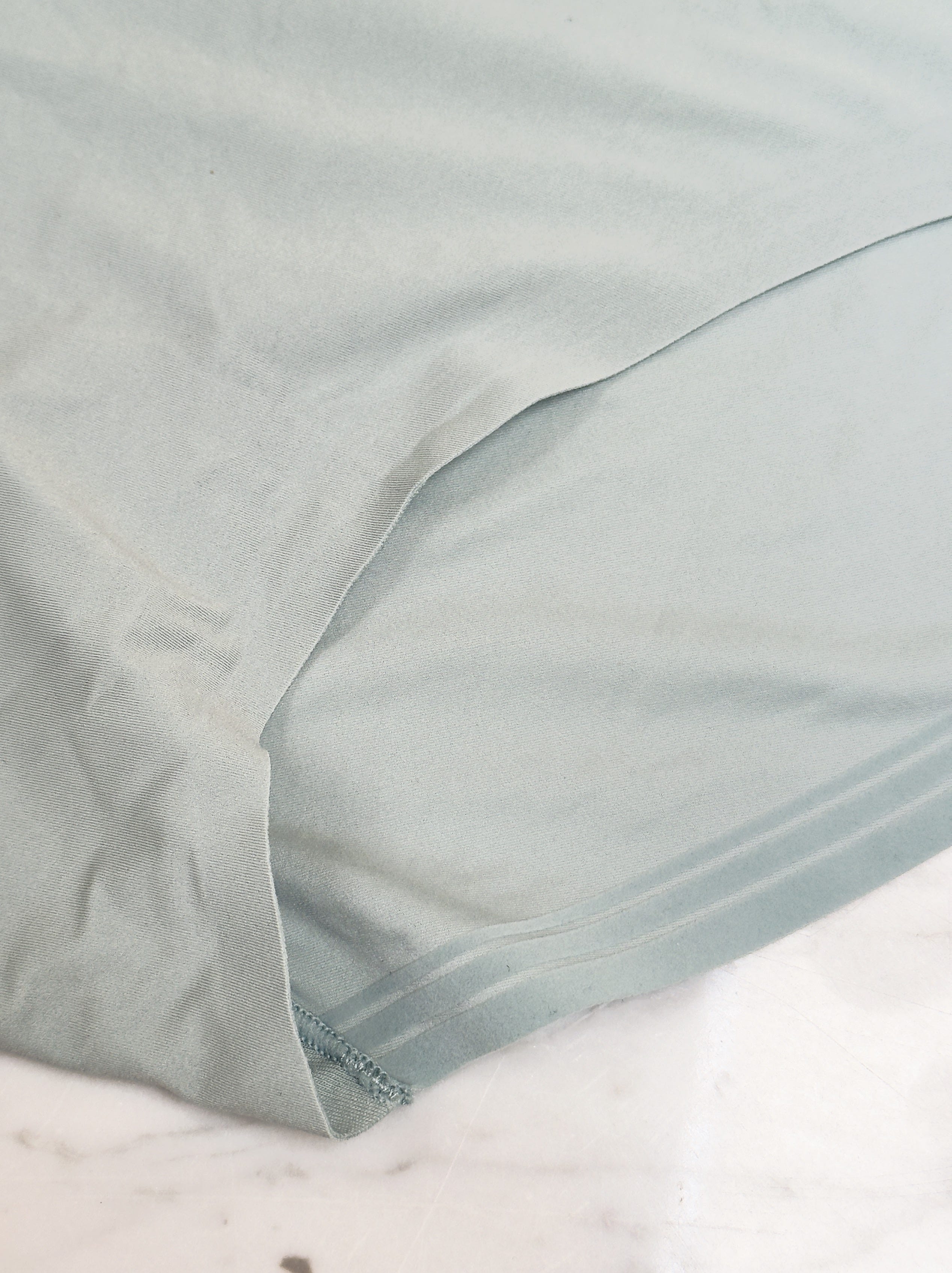
A good binding should support, not suffocate. If your leg openings are leaving marks, that’s a red flag that the tension’s too tight or the fabric isn’t bouncing back properly.
Elastic
Elastic is what keeps your underwear in place, but it’s also the easiest way to ruin a good pair. Too tight and it digs in. Too loose and you’re in Wedgie City all damn day.
There are a few types to know:
Picot elastic: that decorative scalloped trim you often see on cotton underwear. Cute, but sometimes itchy if the thread isn’t soft. And sometimes this trim isn’t as stretchy as the body fabric, so you might pop the stitching.
Encased elastic: hidden inside a fabric casing — great for comfort and longevity.
Silicone grippers or bonded edges: modern and sleek, but can feel clammy if you run hot. Oh and I’m not fully convinced that this isn’t a gimmick.
The sweet spot is elastic that stretches with you, not against you.
Pro tip: when you’re shopping, lightly tug the leg opening. If it doesn’t snap back quickly, it will most likely sag after a few washes.
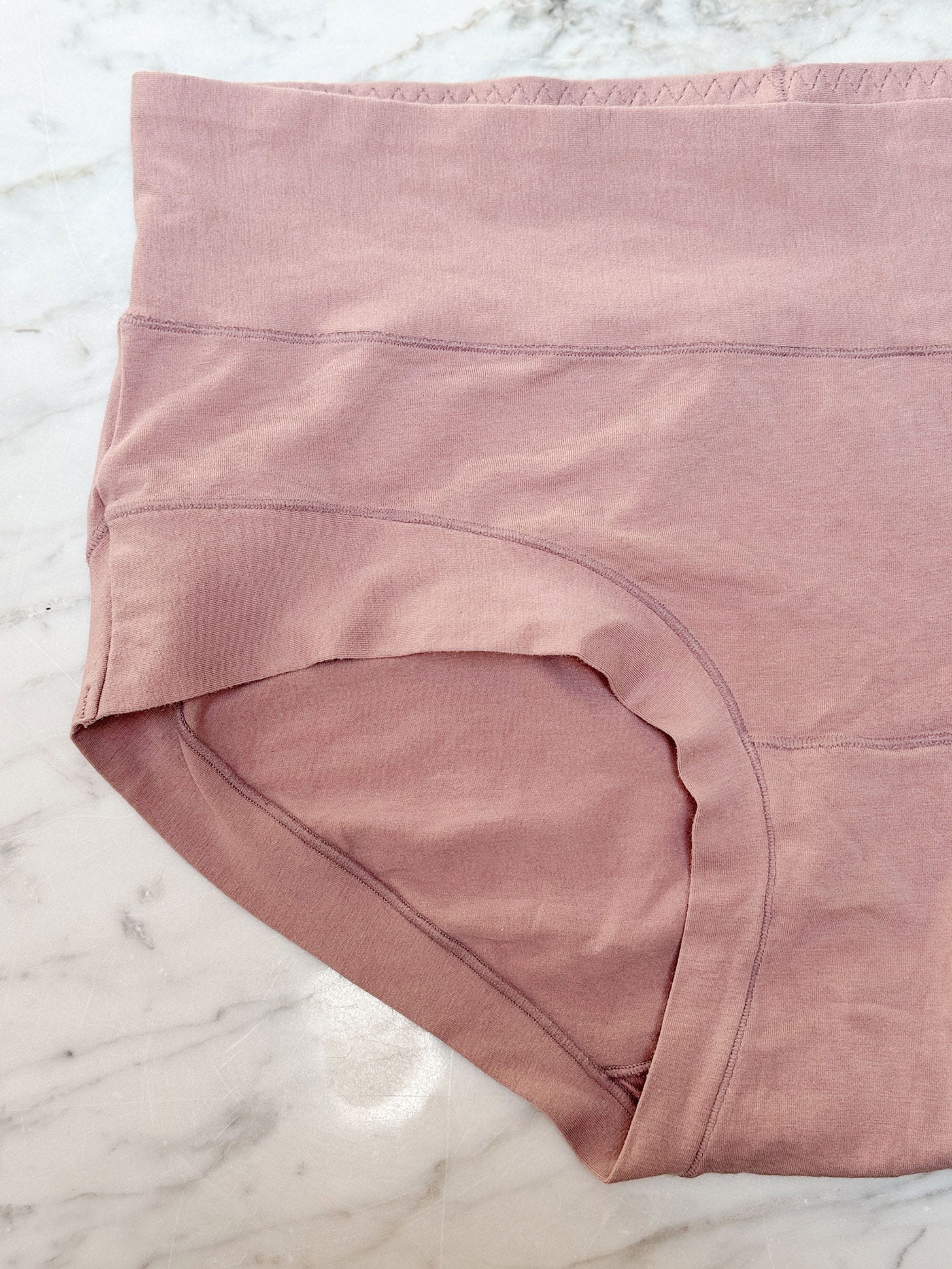
So why does this really matter?
Because all the fancy modal, organic cotton or “buttery-soft” marketing in the world can’t save you if your leg openings are poorly designed. The right shape, binding and elastic combo keeps your underwear comfortably in place without constant readjustment or leaving angry red imprints.
Think of it this way: a good leg opening is the difference between underwear that you don’t think about all day and underwear that announces itself every time you sit down.
Next time you’re shopping for new undies, don’t just look at the fabric or cut—check the details. Stretch it. Feel the binding. Notice the elastic recovery. The best underwear isn’t just soft, it moves with you. Leave a comment with any questions you might have about leg openings!