
All About Gussets aka Your Underwear’s Most Under-Appreciated Feature
What they do, why they matter & what to look for when shopping

Welcome back to Underwear Thesis! The other day I was working on my Bombas underwear review (coming next Thursday) and thinking intently about gussets… you know, as one does. Casual. And that’s when it hit me: does a normal, non-textile designer consumer even know what a gusset is and why they should care about it??
After a quick text to the group chat, I realized that gussets actually ARE somewhat of a mystery and afterthought. Not gonna lie, that sort of blew my mind because a well-made gusset is one of my non-negotiables! So grab a snack and prepare yourself to never not notice it again cuz today we’re discussing that tiny bit of fabric in the crotch of some (not all) panties.
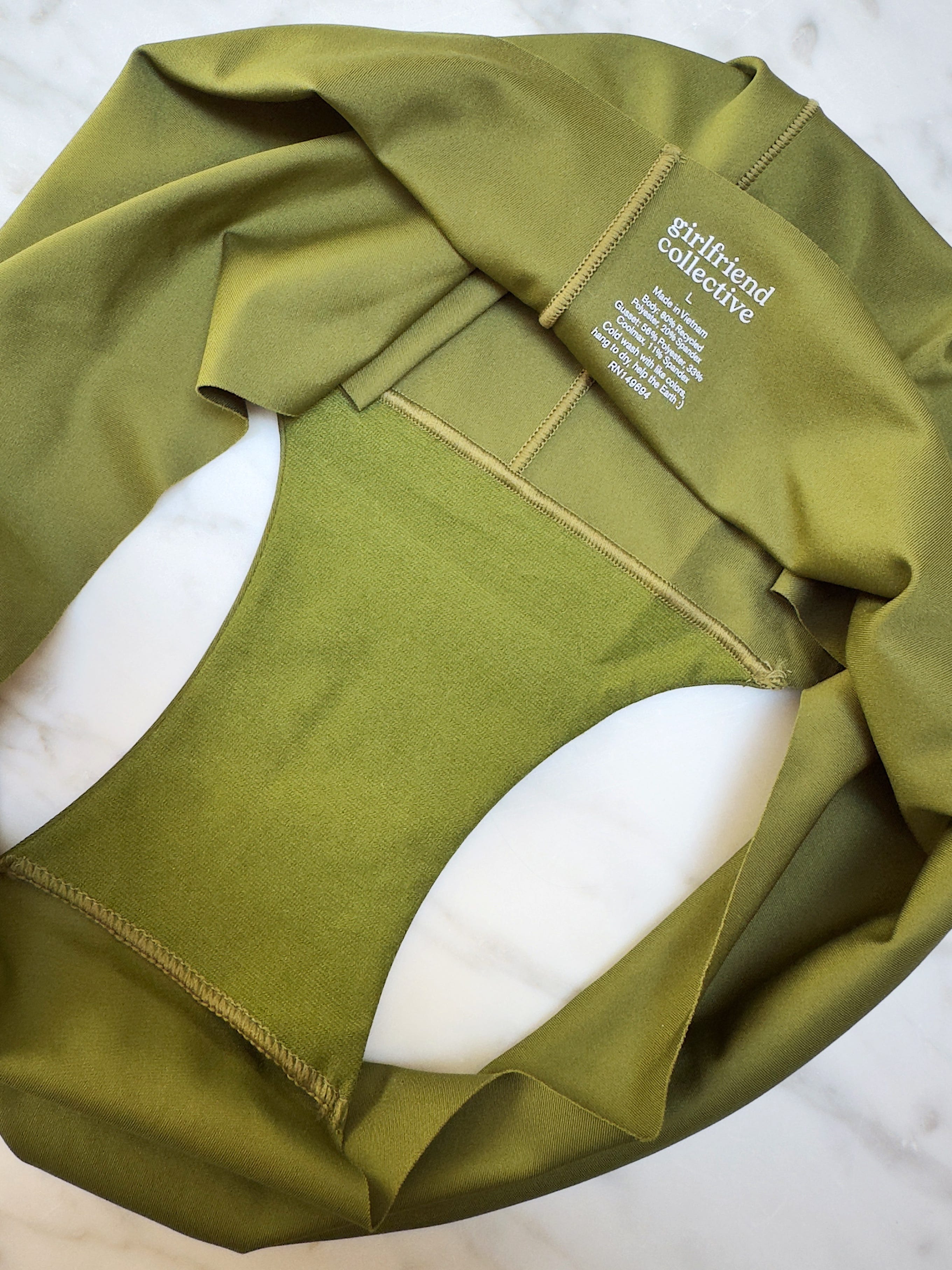
First things first: what is a gusset?
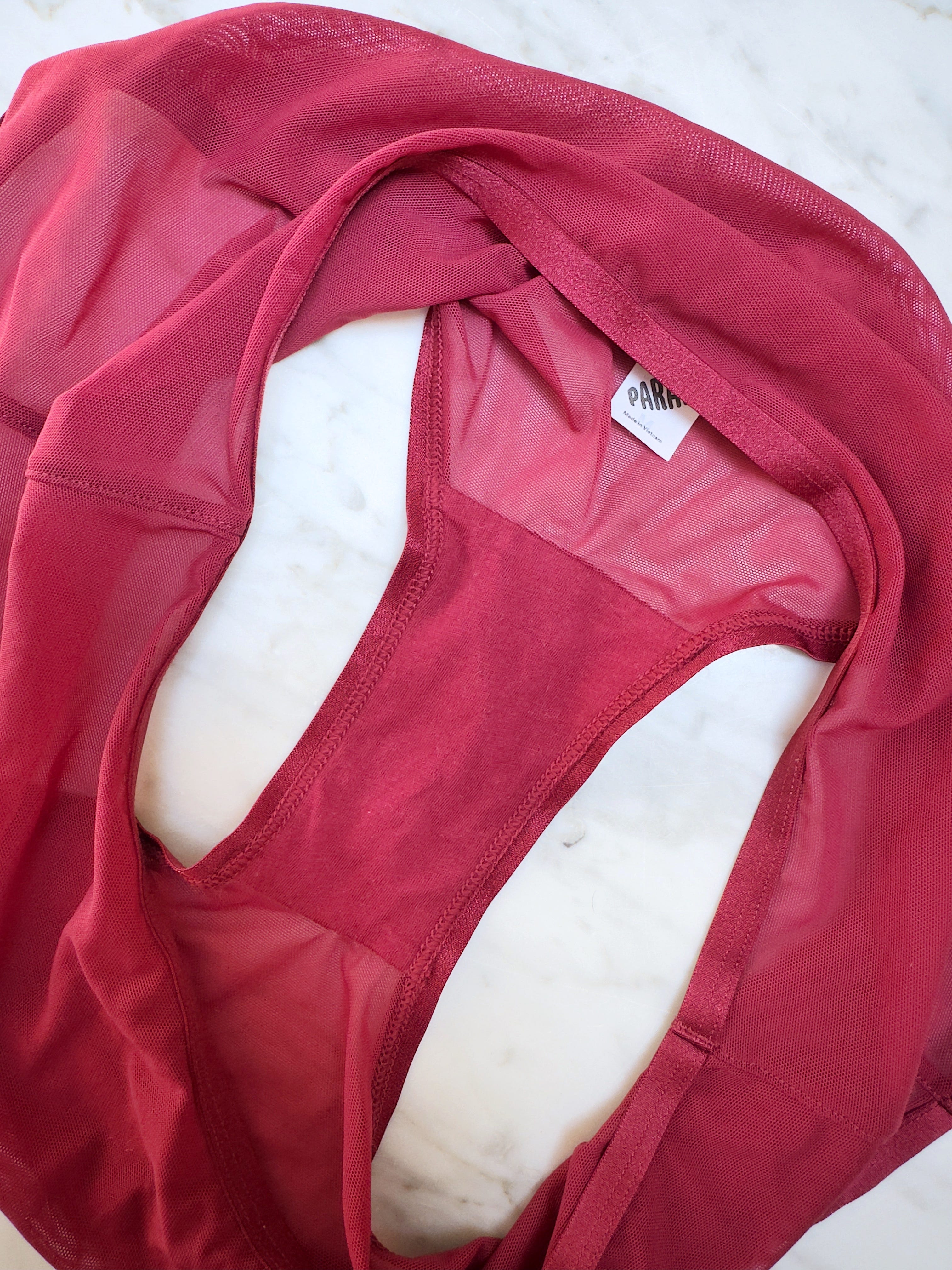
In the simplest terms, a gusset is the small, often diamond- or triangle-shaped piece of fabric sewn into the crotch of your underwear. Think of it as a humble little insert with a big job: it adds comfort, breathability, structure and (most importantly) helps protect your bits.
But gussets aren't just for vibes. They’re a functional, foundational part of a well-designed pair of underwear. A gusset helps reduce bulky seams right where you don’t want them, offers reinforcement where it’s needed most AND acts as a moisture-wicking, breathable buffer between you and your clothes. Basically, if your undies don’t have one, I consider that a major red flag 🚩 (with some exceptions we’ll get into later).
There’s also some chatter that the gusset exists so that a panty liner can be inserted into it, but I’m pretty sure that’s a myth. Logically speaking, if you’re using a panty liner, why put it under the fabric? Instead, wouldn’t you want it on top of the fabric so that it doesn’t get stained? The panty liner theory has never really made sense to me.
So... why does the gusset fabric matter?
Not all gussets are created equal and fabric plays a huge role here. The gusset is the part of your underwear that sits closest to your most sensitive areas, so obviously you want the fabric to be soft and breathable—and ideally made from a natural fiber like cotton.
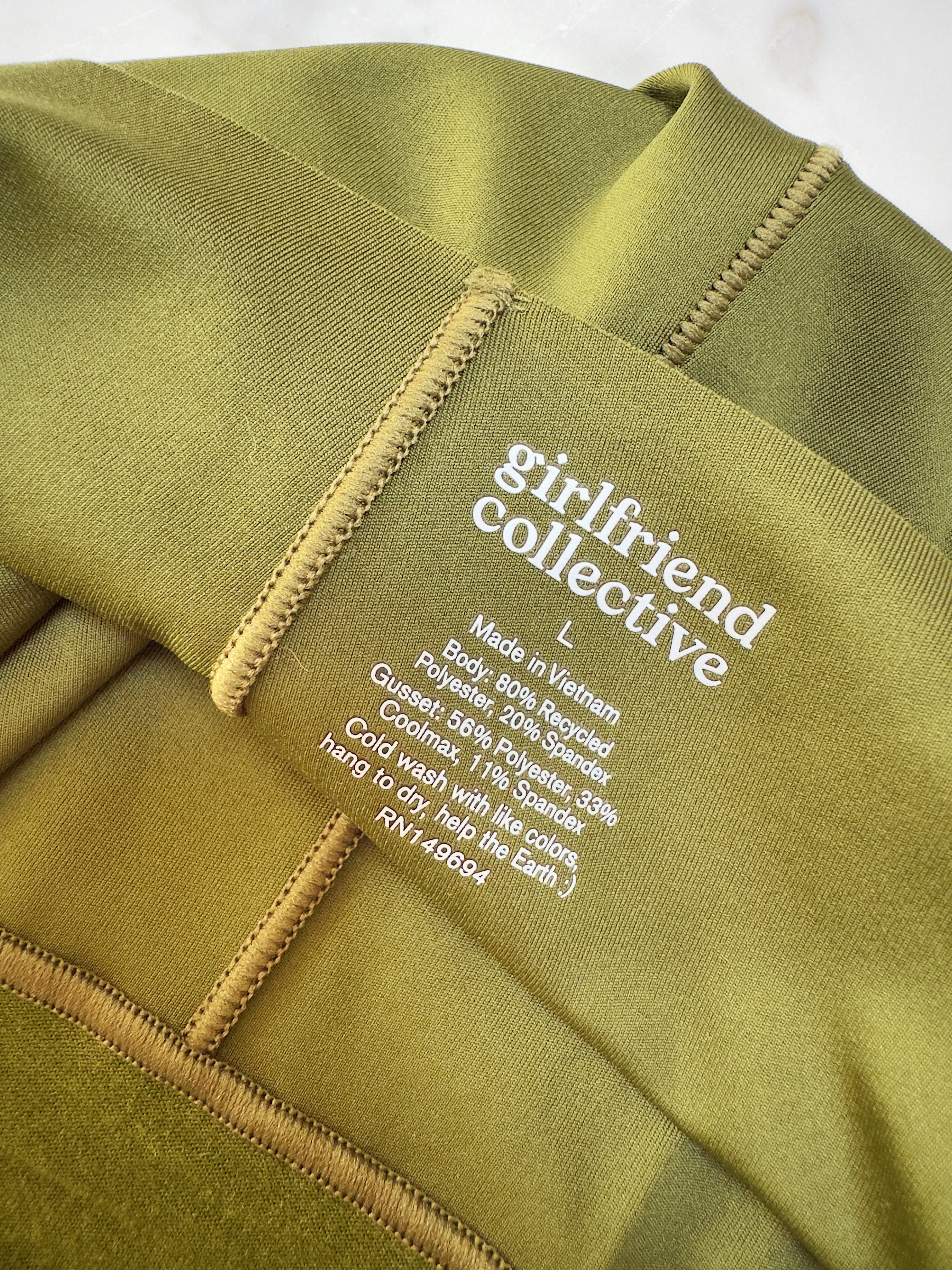
Here’s a quick breakdown of what I recommend looking for when shopping:
The BEST gusset fabrics:
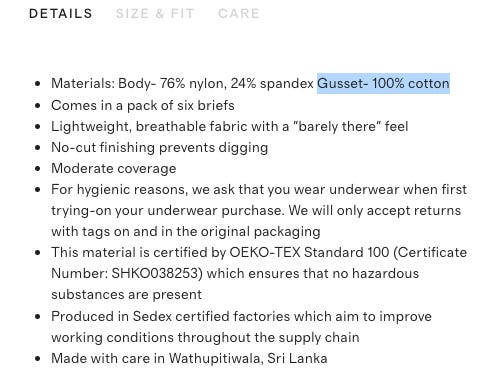
100% cotton: Literally the gold standard and most common. As we’ve covered, cotton is breathable, absorbent and gentle on skin. Even if the rest of the underwear is synthetic, the gusset should be cotton.
Organic cotton: Same benefits, but even better if you’re looking to avoid pesticides and harsh chemicals.
Modal or bamboo blends (with caution): These can be soft and moisture-wicking, but make sure the gusset isn’t just a thin, synthetic afterthought. You still want it to have some weight to it so that it can actually do it’s job.
What I tend to avoid:
Polyester-only gussets: Whenever possible, pleeease don’t do this to yourself. They don’t breathe, they trap moisture and they’re more likely to cause irritation or infections. The tricky part is that most seamless underwear styles don’t have an additional gusset, meaning that the crotch is the same synthetic material as the rest of the underwear—this is why my personal preference is always a cotton blend!
One-layer lace or mesh gussets: Cute? Maybe. Functional? Not so much. These don’t offer protection or absorbency and they wear out faster. It’s fine for lingerie, but not for daily wear.
Demystifying The Most Popular Underwear Fabrics

My ultimate guide to the most common underwear fabrics including the pros and cons of each!
What to look for when underwear shopping:
Here’s your checklist next time you’re browsing for undies (or trying to decode vague product descriptions):
Is there a gusset at all? Yes, this seems obvious, but some poorly made, cheaper pairs often skip it to cut costs during the manufacturing process. But also keep in mind that some pairs don’t have a gusset. For example, Boody underwear doesn’t have an attached gusset, but instead has a different knit using the same synthetic yarns for the crotch to reinforce it.
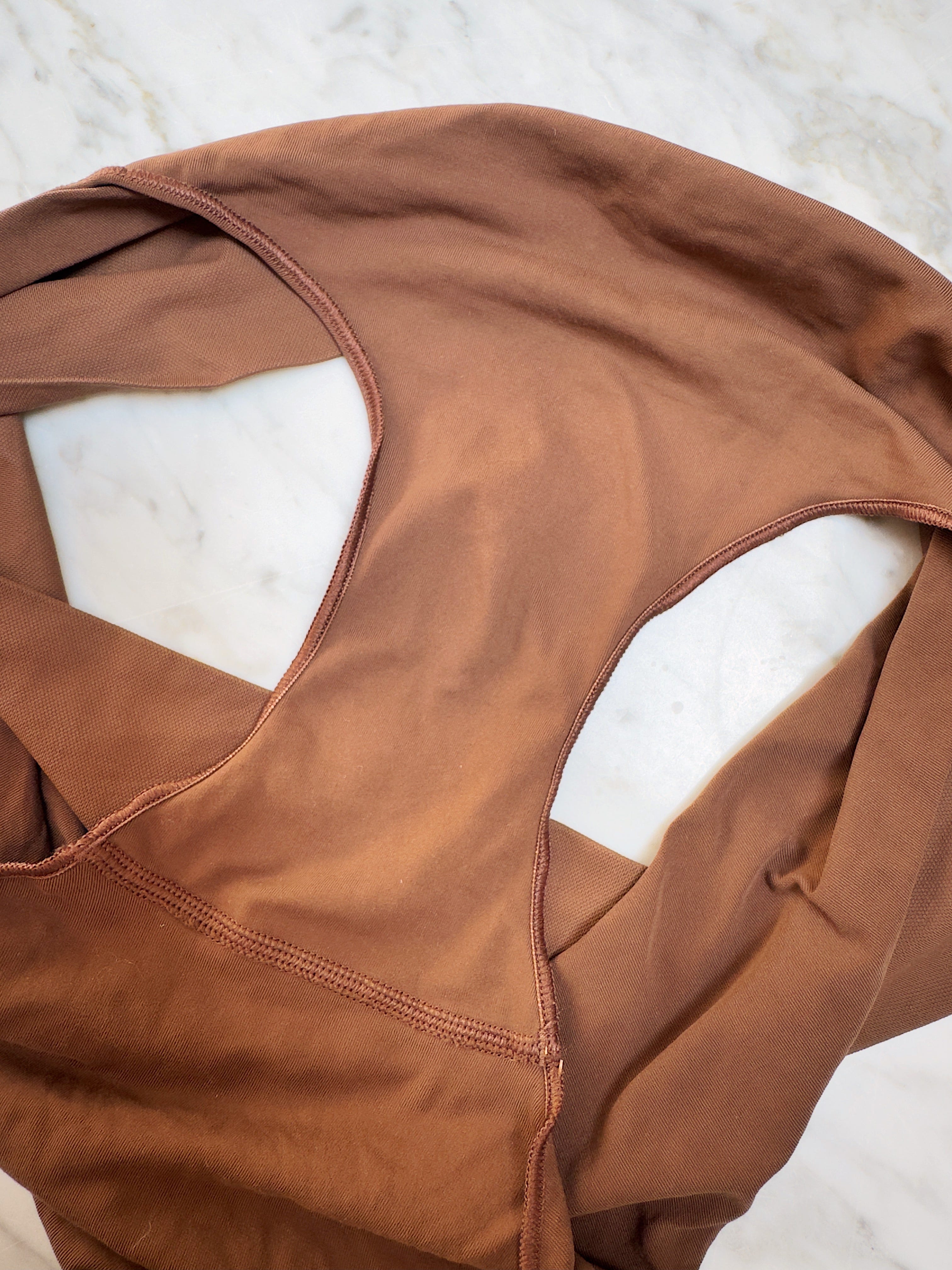
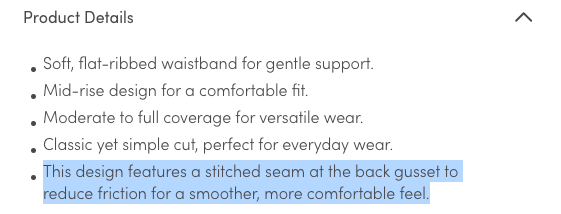
Is it a separate piece of fabric? Look for the telltale stitched-in panel. Sometimes it’s open on one end, sometimes it’s stitched down on both ends.
What’s it made of? Be sure to read your labels and product descriptions thoroughly so you know exactly what you’re getting. The gusset fabric is sometimes included on the underwear label and definitely should be mentioned on the product page if you’re shopping online.
Is it sewn flat and smooth? Avoid thick seams or scratchy edges—bulky thread can be really uncomfortable and irritating to your skin. Also make sure the stitching doesn’t feel loose or unfinished.
Is it breathable and absorbent? Especially important if you’re wearing them all day, during workouts or while sleeping.
Why this matters (yes, even for cute underwear)
I get itttt. Sometimes you’re tempted by a lil lacy number that looks amazing, but doesn’t really “do” anything. Save those for date nights. But day-to-day? I highly recommend that you prioritize your comfort and health. The best underwear brands know how to balance both—and a good gusset is a great sign that they’ve actually thought about how the underwear will perform for you, not just how it looks.
Once you start paying attention to gussets, you’ll see how much they can tell you about the overall quality of a pair. So the next time you try a new brand, check out the gusset before committing. There’s a reason I always mention gussets in each of my underwear reviews!
Thanks for being here. Seriously. If you believe in what I’m building with Underwear Thesis, becoming a paid subscriber is the best way to show it.